


Home First Steps -
Childhood in Zanzibar Growing up in India
Culture Shock Her Majesty -
The Queen ‘No Bed Of Roses’ ‘Love Of My
Life’ ‘Bohemian Rhapsody’
The Great Pretender Live Aid An Evening At
The Opera Mercury - the musician The all-round
artist Mercury - the prophet Last Days The Legend The Queen
File
FMQ in German FMQ-GALLERY My Fairy King
video Freddie Mercury memorial site Guestbook/Contact Gateway page QUEEN NEWS Links BOOKS ARTICLES
Brian May Roger Taylor John Deacon Miscellaneous Horoscope Philosophy
corner Updates
Official
biography People about Freddie About Me
FIRST STEPS – CHILDHOOD IN
Farrokh Bulsara:
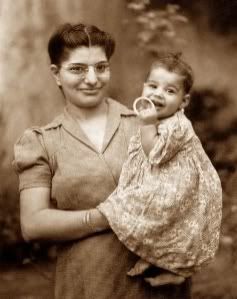
Proud mother Jer with little Farrokh:
Freddie Mercury was born Farrokh
Bulsara on September
The Parsee community was then a far larger group than today with only
two people in
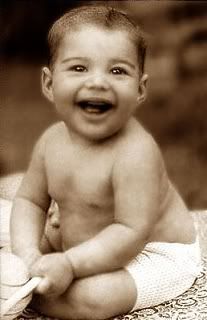
At the age of one, little Farrokh experienced
the first taste of fame when his baby picture won the Local Photo of the year
contest.
It was at the
Zoroastrianism was founded by Prophet Zarathustra around 1500 BC and is
one of the oldest religions still in existence. It had a big influence on
pre-Christian
Zoroastrianism was the favoured religion of the two great dynasties of
ancient
The Parsis are not Persians,
nor longer speak any dialect of Persian, nor do they follow any Persian
traditions other than their religious belief, namely Zoroastrianism. Therefore,
they are culturally, nationally and linguistically Indian.
Today, only a relatively small Zoroastrian community
of 2 to 3.5 million people worldwide exists.
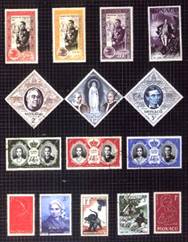
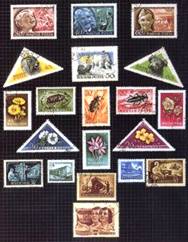
Freddie Mercury’s stamp
collection:
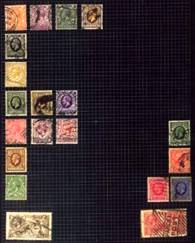
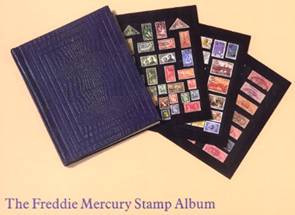
Little Farrokh:
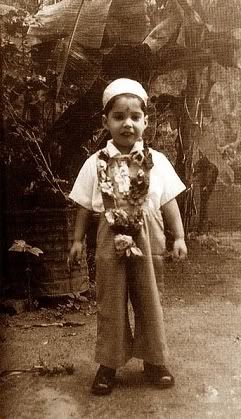
Flat in

Farrokh with sister Kashmira in
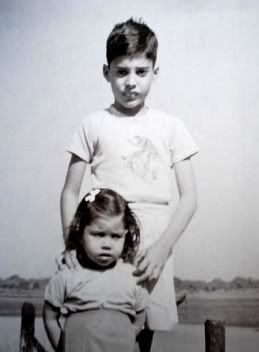
With his parents Jer and Bomi Bulsara
in the early 1980s:
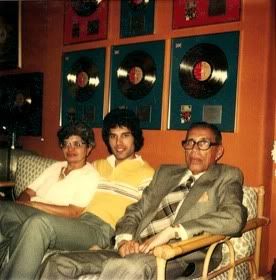
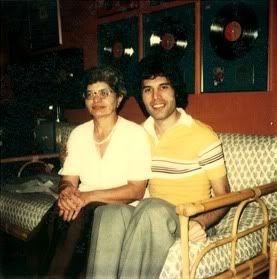
The Bulsaras:
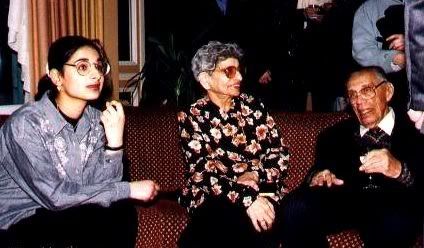
Kashmira in 2000:
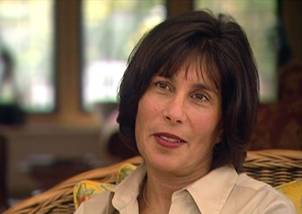
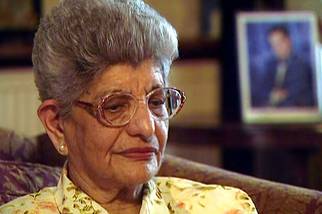
Jer Bulsara
in 2000:
Bomi Bulsara
(1908 – 2003):

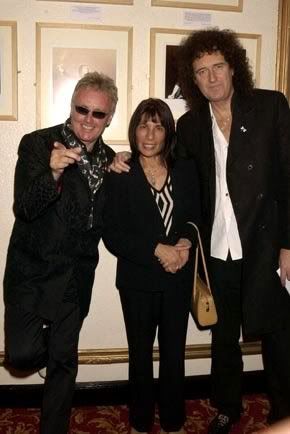
Roger, Kashmira
and Brian (probably around the year 2000):
© Copyright 2006 - 2013; Daria Kokozej (Contact Me)