


Home First Steps -
Childhood in Zanzibar Growing up in India
Culture Shock Her Majesty -
The Queen ‘No Bed Of Roses’ ‘Love Of My
Life’ ‘Bohemian Rhapsody’
The Great Pretender Live Aid An Evening At The Opera
Mercury - the musician The all-round
artist Mercury - the prophet Last Days The Legend The Queen
File
FMQ in German FMQ-GALLERY My Fairy King
video Freddie Mercury memorial site Guestbook/Contact Gateway page QUEEN NEWS Links BOOKS ARTICLES
Brian May Roger Taylor John Deacon Miscellaneous Horoscope Philosophy
corner Updates
Official biography People about
Freddie About Me
CULTURE SHOCK
Feltham:

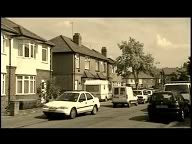
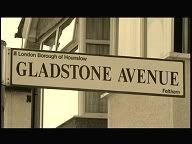
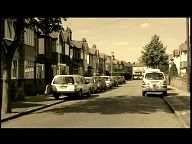
Freddie had been back in
Many people feared for their lives and quickly left
the country. As the Bulsara’s had two young children
they decided to leave the island for
Meanwhile,
The Bulsaras settled down in Feltham, a suburb
in the west of
Freddie Bulsara
in the 60s:
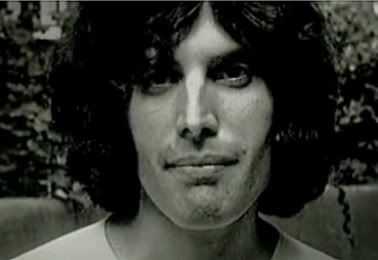
The Bulsaras worked hard to
integrate themselves in
Freddie decided to aim for
Freddie: “Art School teaches you to be more fashion conscious, to be
always one step ahead”
At
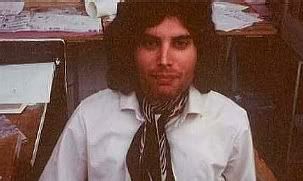

In 1966,
“When Jimmy Hendrix started, Freddie absolutely idolised him. Hendrix
was his God. At college, he used to spend a great deal of this time drawing
Hendrix and I can remember him miming in the art room, holding a twelve-inch
ruler as through it were a microphone, and throwing back his had as he mimed the songs. Hendrix was everything to him
and I suspected it ran a great deal deeper than just the music. Hendrix was the
Negro from the ghetto who had pulled himself up by his boot straps and had
become totally accepted by everyone, white and black, because of the quality of
his music. And although Freddie wasn’t impoverished and living in a ghetto, I
think now, looking back, that Hendrix represented something to him, a goal that
he could achieve himself... and I admire Freddie for what he’s done since. He’s
worked enormously hard, and really has pulled himself until now he’s a
superstar.” – Tim Staffell.
In his circle of friends, Freddie was known as sociable, witty,
charismatic and camp. He was very fashion conscious and already learned how to
behave like a star. “With hindsight looking back you think ‘He must have
stood out, he must have been the leader of the gang’ and he wasn’t really,
because his nature was actually very kind and gentle – actually he was very
quiet”, a friend from his college years says.
Brian May: “Even then he realised that he was in the core very shy
but … he was already kind of cloaking himself in a persona, being something
rather larger than life.”
While attending Ealing, Freddie met Tim Staffell,
who was a member of a local band called Smile. Freddie soon began attending
Smile’s rehearsals and got to know the group’s other members, guitarist Brian
May and drummer Roger Taylor. He often used to come along, make comments on
Smile’s appearance and give advice on how their stage presence should look
like.
Inspired by his new friends, he began playing in bands himself, such as
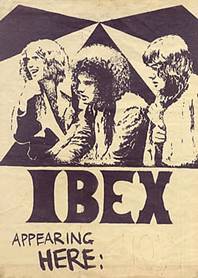
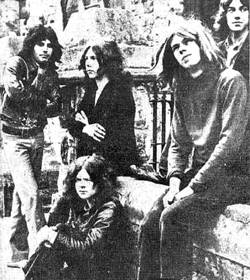
Ibex which turned then into Wreckage and finally
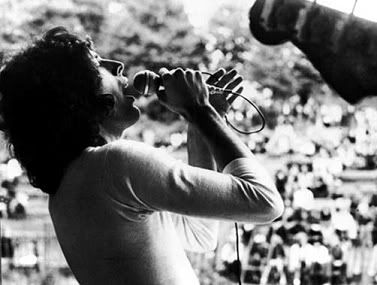
Onstage, Freddie had a completely different personality than his
otherwise calm, extremely well-mannered character. In front of the audience, Freddie was an
extrovert entertainer, who would practise his typical dramatic movements which
later became a trademark of Queen’s live shows.
Although in 1969, Freddie left
Ealing with a diploma in graphic arts and design, he was on the way to become a
legendary performer and show master.
+++ read the article from RECORD
COLLECTOR, March 1996 about Freddie’s beginnings +++:
Link:
http://www.brianmay.com/queen/queenbeforequeen/frames.html
Link
to Freddie’s art:
http://www.mercury-and-queen.com/fmqfreddieart.htm
Ibex:
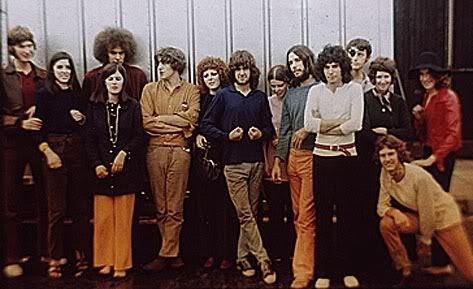

A
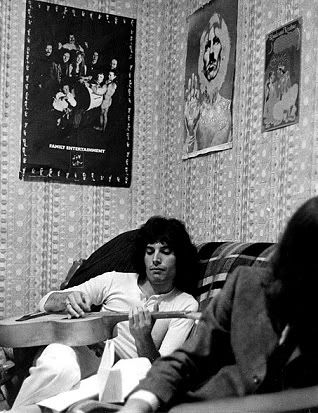
“silhouetto of a man”, Freddie at an Ibex-tour:
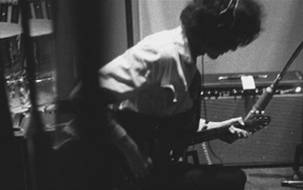
First
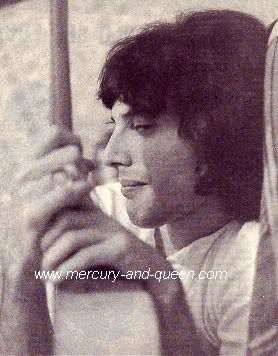
concert with Ibex:
Ibex concert poster:
Back
in
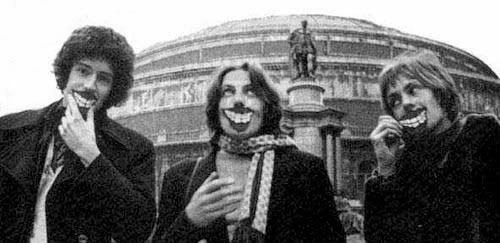
Smile:
Smile outside the Royal
Albert Hall in 1969:
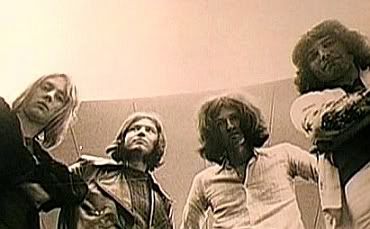
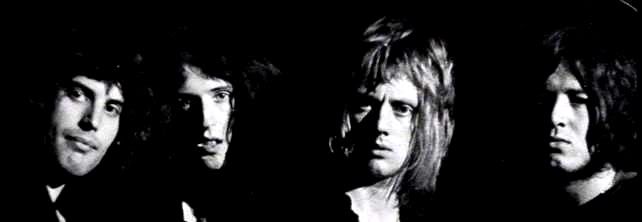
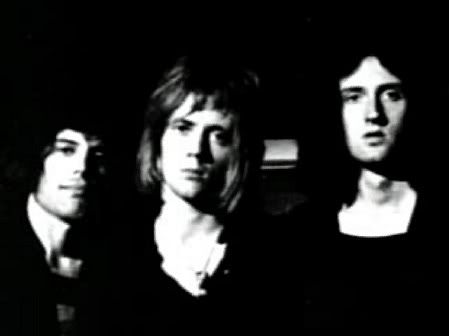
Early Queen with Mike Grose
as bassist:
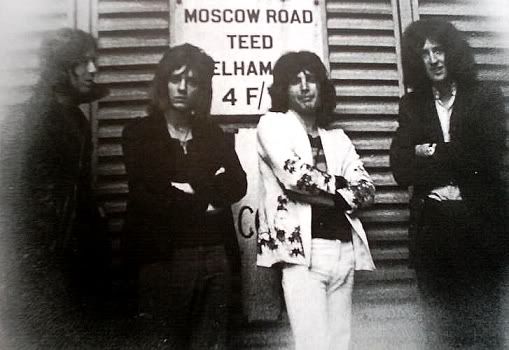
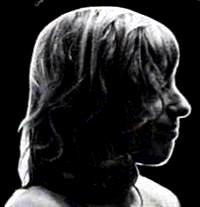
Barry Mitchell, another Queen bassist:
© Copyright 2006 - 2013; Daria Kokozej (Contact Me)